Starting Reception is a big milestone, for both children and parents. The transition from nursery to EYFS brings longer school days, new routines and greater independence. The good news is that preparing your child doesn’t require formal “lessons.” Small, consistent activities at home can make a big difference in helping them feel confident and ready.
Getting Used to Longer School Days
One of the biggest changes children face is the structure of a full school day. Building stamina gradually can help ease this transition. Try introducing a gentle routine at home: regular wake-up times, set meal times and short periods of focused activity followed by play. This helps children get used to balancing learning with breaks, making the school day feel less overwhelming.
Writing Their Name
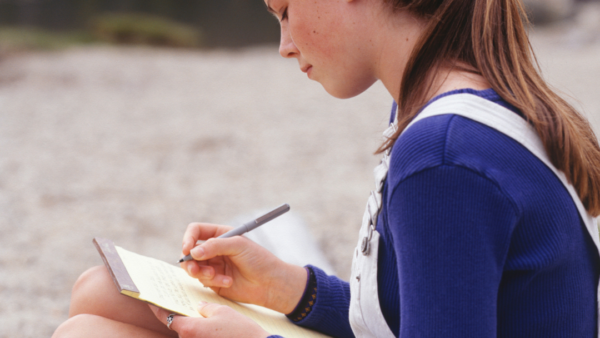
Being able to recognise and attempt writing their own name is a key early milestone. Start by helping your child identify the letters in their name, then practise forming them in fun ways using crayons, chalk, or even finger tracing in sand or shaving foam. Keep it light and playful; confidence matters more than perfect letter formation at this stage.
Early Counting Skills
Before starting Reception, children benefit from a basic understanding of numbers. This doesn’t mean formal maths practice, simple, everyday activities work best. Count steps as you walk, snacks at the table or toys during tidy-up time. Focus on recognising numbers, counting objects and understanding “how many” rather than memorising sequences.
Recognising Phonics Sounds
Early phonics awareness gives children a strong head start in reading. Begin by introducing simple letter sounds (like “s,” “a,” “t”) through songs, games and storybooks. Point out sounds in everyday life on signs, packaging, or in their favourite books. The goal is familiarity, not mastery.
Crafting for Fine Motor Skills
Strong fine motor skills help children with writing, cutting and everyday classroom tasks. Activities like colouring, cutting with child-safe scissors, sticking, threading beads and building with small blocks all strengthen hand muscles and coordination. Crafting is one of the most effective and enjoyable ways to build these skills naturally.
Building Independence
Reception teachers often highlight independence as just as important as academic skills. Encourage your child to practise dressing themselves, putting on shoes and managing simple tasks like opening lunchboxes. These small wins build confidence and help children feel capable in a busy classroom environment.
Supporting Confidence and Readiness
Every child develops at their own pace and it’s normal for parents to wonder if their child is “ready.” The key is not perfection, but confidence, feeling comfortable trying new things, following simple instructions and interacting with others.
For some families, a little extra support can make all the difference. Working with a tutor who specialises in early learning and phonics can help reinforce key skills in a fun, structured way. More importantly, it can give your child the confidence boost they need before starting school.
Preparing for Reception doesn’t have to feel overwhelming. By focusing on these small, practical steps, you’re giving your child the best possible start, helping them walk into their first day feeling happy, capable and ready to learn.