Did you know that two-thirds of children aged 5-12 are now helping their parents and grandparents with gardening, with watering the plants a favourite activity for children?
Gardening is a very healthy occupation and gardening for your own food is a wonderful way to connect with nature and develop a greater understanding of what you eat. Furthermore, getting into healthy habits at a young age means that you’re far more likely to develop an effortlessly healthy lifestyle as you get older. Essentially, eating habits are learnt; they are not intuitive. As a result, what your children learn to consume at home from an early age persists with them far into adulthood. A child who loves gardening and growing their own food is therefore hitting the ground running when it comes to developing a healthy adult lifestyle! Of course, this only works if the child is introduced to gardening in such a way that they enjoy it.
This is why we love community farms such as:
They all provide access to the most nutritious produce by allowing families to get involved and pick their own fruit and vegetables. During the summer holidays, there are so many other wonderful activities that you can enjoy to introduce your child to the world of healthy eating, whilst developing their ‘little green fingers’ and supporting nature in the process. Take a look at some fun activities that you can do with your child at home:
Grow Sunflowers
Beginning as a little seed and ending up as a towering stem with seeds that feed the birds in the winter, sunflowers are excellent for learning about development and decay. They are also a wonderful introduction to learn about measurement in maths! The tallest ones will benefit from being grown next to a sunny fence so they can be roped in and supported. Additionally, it’s ideal to place them close to a climbing structure so that young children may follow the flower heads and measure their height as they grow taller.
Paint some pebbles
Get stuck in with some hands-on learning by painting your own pebbles. You might want to include your children’s names, numbers, spots, shapes, mini-beasts, or just a rainbow of colours, you can bring art, maths, and literacy outside!
Plant your own fruit and vegetables
Growing your own vegetables is much easier than it sounds and there’s nothing quite like a fresh tomato from the vine! By choosing organic gardening, you ensure that your crops are safe for you and your family. Furthermore, because the soil is fed sustainably, organic veggies have more nutrients than foods grown commercially. A vegetable patch also has numerous benefits for the environment. You don’t contribute to needless water and air pollution if you don’t use pesticides and other chemicals when growing your food. Consider developing a patio garden or even an indoor herb garden on a windowsill. How many tomatoes or peppers you can grow in a single pot will amaze you!
Add some garden décor
While your children are excited and waiting for their fruit and vegetables to grow, you can always head out for a shopping trip for some garden ornaments. Gardening isn’t just about getting your hands in the soil, as you can pick out some décor to add more colour to your garden on top of your plants. It can also be a wonderful opportunity to upgrade your toolkit or even explore a variety of seeds to try next.
Create a bug hotel
Insects are an integral part of a successful garden and bug hotels are a great way for children to get close to nature. Various kinds of insects and minibeasts, including ladybirds, bees, spiders and woodlice, benefit from bug hotels. Your bug hotel will then serve as a secure location for minibeasts to hide, lay their eggs, raise their young and escape predators.
Build a bird feeder
There are many advantages to having a bird feeder, with the main one being how it helps adult birds to spend less time foraging and expending energy, allowing them to protect their young from predators. With bird feeders supplementing natural food sources, birds have a reliable, plentiful source of food to keep them well fed and thriving. Bird feeders also offer a fun and entertaining way to observe birds up close in your garden, connecting your children with nature.
Explore the woodland
In a woodland setting, there are many opportunities for your children to develop their gross motor skills and observe the wildlife that live there. The possibility to climb trees, run and hide in the forests, roll down hills, build makeshift swings and shelters, and even jump off logs, makes the woodland a wonderful place to explore. Running, rolling, swinging, and climbing are all important parts of play that support children to build their confidence and boost their self-esteem. Children are more creative when exposed to nature and they can use all their senses to develop their imagination.
Keep a garden diary
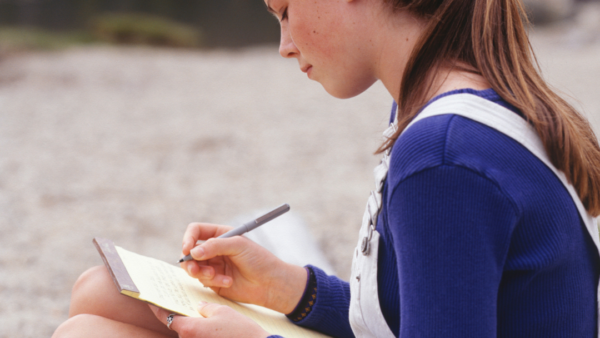
How do gardens alter as the seasons change? What can you grow over the year? Which animals might you encounter? Encourage your child to create a journal of everything they observe and discover because even the smallest garden can change dramatically over time. They might want to include sketches, photographs, leaves, cuttings, seed packets and add measurements that they have taken. This is one of the finest summer gardening activities to keep your child busy in the garden.
Build a garden den
Children enjoy an outdoor den since it’s the ideal place for them to unwind and cool off after being outside, especially on a warm summers day. Together, you may build one from branches and logs. You can also choose some vining plants for the base that can be trained upward to form a closed-off area, such as honeysuckle, which also looks lovely in gardens. This can be your child’s own outdoor area to play games, read stories and enjoy their toys!
Remember, a healthy outside starts from within!