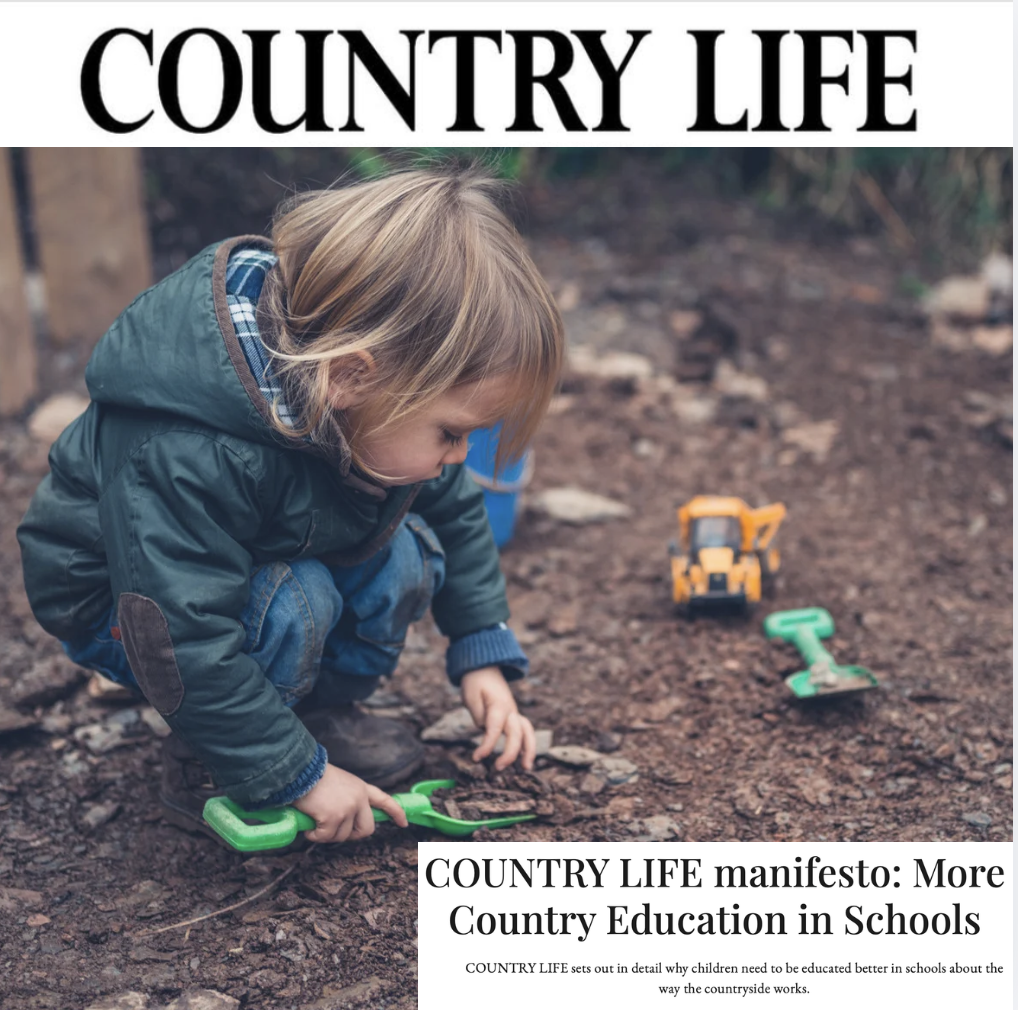
Reconnecting with Nature and the Countryside
Outdoor learning for children is more important than ever in a digital age. As screens increasingly dominate childhood, helping children reconnect with nature and understand where food comes from builds resilience, curiosity and real-world awareness that no classroom alone can provide.
As spring begins to bloom, it naturally brings a sense of reflection and quiet excitement for new beginnings. A simple morning walk, hearing birdsong again, noticing blossom on the trees, is often enough to remind us how important it is to close the laptop, step away from the screen and reconnect with the world outside.
At Eden Tutors, we believe education should stretch far beyond the classroom walls.
Why Children Are Losing Their Connection to Nature
In a world filled with notifications, streaming platforms and instant answers, something important is quietly slipping away: children’s connection to nature and to where their food actually comes from.
Many of us remember a different kind of childhood. Hours spent outside building dens, climbing trees, splashing through streams and inventing games that lasted all afternoon. We came home muddy, tired and completely content. Entertainment was not delivered to us. It was created.
That closeness to the natural world shaped resilience, imagination and confidence in ways we perhaps only recognise now.
Today, that experience is no longer guaranteed.
An article published by Country Life Magazine highlighted a worrying reality. Surveys revealed that a third of nine-year-olds did not know eggs come from chickens. Seventy percent believed cotton came from sheep. Children could confidently describe the Amazon rainforest, yet knew little about the habitat of a British wood.
It is surprising. But it is true.
Why Children Should Learn Where Food Comes From
Every child should leave school knowing where food comes from. Not as a specialist rural topic. Not as an optional extra. But as a basic understanding of how the world works.
Understanding food production helps children:
-
Develop healthier relationships with what they eat
-
Respect the effort behind farming and food systems
-
Build awareness of sustainability and climate issues
-
Connect everyday choices to environmental impact
These are not abstract political ideas. They are part of daily life.
When children understand how the countryside works, they are better equipped to engage in meaningful conversations about farming, biodiversity, food security and environmental responsibility.
The Power of Hands-On Outdoor Learning
The Country Life article suggested something beautifully simple: start with a potato.
There is genuine magic in planting a seed potato, waiting patiently, then digging into the soil weeks later and discovering what has grown beneath the surface. Feeling the earth. Washing the crop. Cooking it. Eating something you have nurtured yourself.
In that one experience, children learn:
-
Science (plant growth and life cycles)
-
Patience and responsibility
-
Basic maths and measurement
-
Cause and effect
-
Gratitude for food
No complicated equipment is needed. Just soil, time and curiosity.
At Eden Tutors, we see first-hand how powerful hands-on learning can be. When children plant seeds, observe changes over time, or visit working farms, learning becomes tangible. Food is no longer something that “comes from the supermarket”. It has a journey. It has seasons. It has people and landscapes behind it.
That understanding stays with them.
How Schools Can Support Country Education
As the article pointed out, much of this responsibility now falls to schools. Families are busy. Time outdoors competes with packed schedules and digital distractions.
Yet childhood is precisely when bridges should be built between:
-
Town and country
-
Consumer and producer
-
Plate and soil
There are encouraging signs. Agricultural topics are appearing more frequently within GCSE science. Environmental and Land-Based Studies are gaining traction. Farm visits continue to inspire hundreds of thousands of pupils each year.
But there is still more to be done.
We believe that knowledge of the countryside, its wildflowers, animals, birds and beauty, should be every child’s birthright.
Why Outdoor Learning Matters in a Digital Age
Returning to our roots is not about rejecting technology. It is about restoring balance.
Outdoor learning for children builds:
-
Resilience
-
Curiosity
-
Environmental awareness
-
Emotional wellbeing
-
Real-world problem-solving skills
It reminds children that learning does not only happen at a desk.
Sometimes the most powerful lessons do not begin with a worksheet or an app.
Sometimes they begin with soil under your fingernails and a potato in your hand.
FAQ’s
What is outdoor learning?
Outdoor learning is education that takes place outside the traditional classroom, often involving nature, farming, environmental studies or hands-on activities that connect children to the natural world.
Why should children learn where food comes from?
Understanding food production helps children build healthier habits, develop environmental awareness and appreciate the countryside that sustains everyday life.
How can schools improve country education?
Schools can incorporate farm visits, gardening projects, environmental science topics and hands-on agricultural learning into the curriculum to reconnect children with the countryside.